Biodiversity

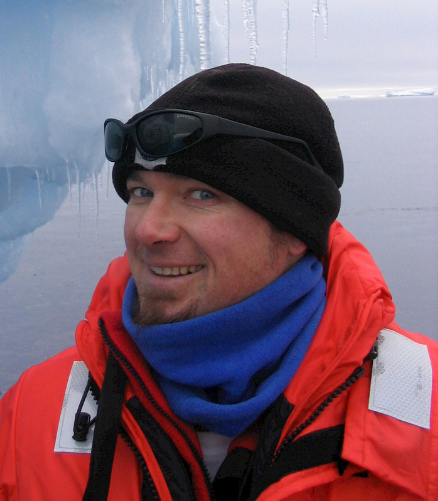
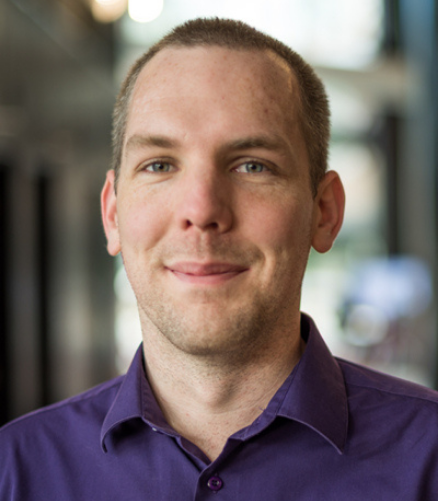
  • Ilya Maclean

    Ilya is an applied ecologist broadly interested in understanding and predicting the biological effects of climate change. His research group has pioneered the development of software and tools for modelling microclimate. They are studying how knowledge of fine-scale climate can be used to adapt natural and managed systems to climate change.
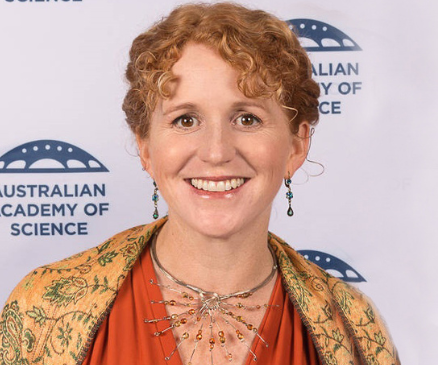
  • Ceridwen Fraser

    Crid’s research combines molecular ecology with aspects of Earth sciences to understand the processes that shape global patterns of biodiversity. She uses a wide range of techniques to address research questions, including genetics (e.g. metabarcoding and phylogenomic analyses) and ecology, and has a particular focus on the high-latitude ecosystems of the Southern Hemisphere (the sub-Antarctic…

  • Jaume Flexas

    Jaume’s research focuses on plant ecophysiology; in particular on photosynthesis and plant responses to environmental stresses. Antarctica is a perfect laboratory as it combines the coldest and windiest world conditions with substantial soil dryness.

  • Donald Cowan

    Don is the Director of the Centre for Microbial Ecology and Genomics. His research is in the fields of microbial ecology and microbial genomics, where he and his team use modern ‘omics’ methods to understand the diversity, functions and adaptations of microorganisms in extreme environments; particularly hot and cold desert soils.

  • Barbara Bollard

    Barbara’s research interests span geospatial science, ecosystem management and spatial ecology. Her research focuses on the identification, selection and environmental monitoring of protected areas using remote sensing technology, such as unmanned aerial vehicles , to map habitats and landscapes for conservation planning and integrating social data with environmental and biological information using decision support systems,…

  • Margaret Barbour

    Margaret is an experimental plant physiologist. She pioneered novel stable isotope techniques to measure isofluxes between plants and the atmosphere, and developed an underlying theory to explain variation. These techniques and theory have led to new understanding of plant regulation of carbon and water dynamics, with applications in crop production, plant ecological physiology and paleoclimatic…

  • Miguel Ángel Olalla Tárraga

    Miguel’s research is broadly focused on macroecology and conservation biogeography and has encompassed studies of vertebrates and plants. Most of his work has been centred on two vertebrate groups that remain largely underrepresented in the macroecological literature: amphibians and reptiles. He is particularly interested in describing broad-scale spatial patterns in the variation of biological traits…

  • Melinda Waterman

    Melinda is a plant biotechnologist who has been developing moss as proxies for coastal Antarctica climates. She is interested in the physiology of plants living in extreme environments, with a focus on natural protective mechanisms, preserved chemical signatures and photosynthetic activity, and how they link to changing environments. Her interdisciplinary research spans across plant physiology,…

  • Jonny Stark

    Jonny is a Principal Research Scientist in the Environmental Protection Program and section leader of Coastal Marine Ecology at the Australian Antarctic Division. He is a marine ecologist with a focus on research into the effects of environmental change on marine communities to inform and influence environmental management. This includes research to support evidenced-based decision-making,…

  • Chris Greening

    Chris is investigating the microbiology and biogeochemistry of Antarctic ecosystems. He is profiling microbial biodiversity in the continent, resolving metabolic pathways that sustain life and testing how microbes influence the environment. He leads the One Health Microbiology group at Monash University’s Biomedicine Discovery Institute. Following a first-class degree in Molecular and Cellular Biochemistry at the University…