

New modelling predicts risks to Antarctic marine ecosystems from invaders
A new study has shed light on which non-native species pose the greatest risk to Antarctic marine ecosystems.

Credit: Jonny Stark An Antarctic seafloor environment near Casey Station. Credit: Jonny Stark Credit: Jonny Stark Credit: Jonny Stark Credit: Jonny Stark
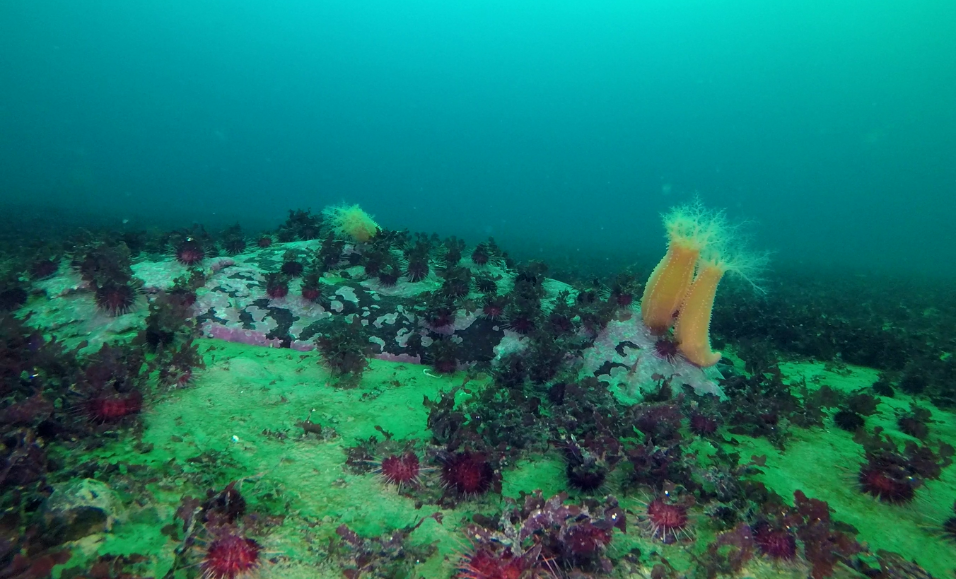
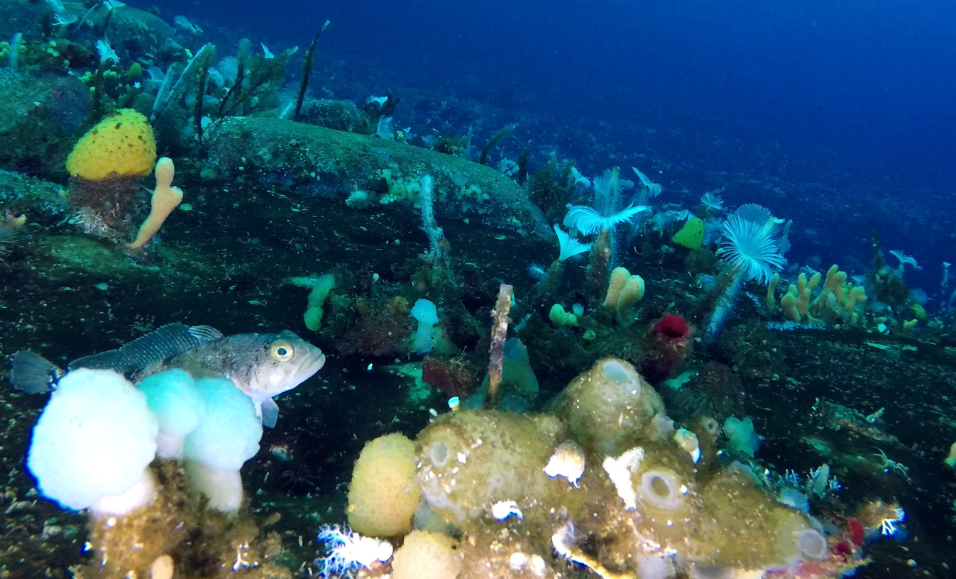


Antarctica’s marine communities—populated by penguins, seals, cold-adapted fish, krill and seafloor species such as sea pigs, brittle stars and sea spiders—benefit from the region’s extremes. Its remoteness and harsh conditions provide a natural barrier to wannabe residents and accidental interlopers. However, as the effects of climate change intensify and human activity in the region grows, scientists are warning that the region could face an increasing threat from marine invasive species.
While terrestrial invasive species have long been recognised as a danger to Antarctica’s fragile ecosystems, much less attention has been paid to their marine counterparts. Currently, there are no established marine invasive species around Antarctica, but scientists need more information to keep it that way.
A new approach to an emerging problem
A new study, led by Dr Oakes Holland from QUT in collaboration with an interdisciplinary team of SAEF colleagues and other experts, has shed light on which non-native species might pose the greatest risk to Antarctic marine ecosystems. Using a novel modelling approach, the team sought to predict a range of possible futures should these species arrive and survive.
“Antarctica’s native marine species have been isolated for millions of years, so their ability to compete with or resist invasive species is largely unknown,” Dr Holland said. “Understanding potential impacts before invasions occur is vital to guiding conservation and biosecurity policies.”
To explore the potential scenarios, the team employed a novel approach called Ensemble Ecosystem Modelling. This approach is particularly suited to situations where species traits and interactions are uncertain—a common challenge in remote and understudied environments.
The team simulated the introduction of five non-native species into a known food web near Casey Station, one of Australia’s research bases in East Antarctica. The simulations examined how the invaders might interact with native species based on their interactions in other ecosystems around the world.
Small shifts could have significant consequences
The results revealed a mixed picture. Each of the five species had a different capacity to establish into the Casey food web. The most successful invader was the crab Charybdis japonica, known for being an aggressive predator and rapid reproducer.
The least successful was the Mytilus sp. bivalve group, which Dr Holland says was among the more surprising results.
“The Mytilid bivalve group is one of the highest-profile contenders for invasion of the Antarctic,” she says. “However, we showed it would struggle to establish into the food web near Casey. In cases where it did establish, it took decades before the population reached a high enough level to impact native species.”
The good news was that native species within the Casey food web remained within 10% of their initial population in most simulations. However, the team still showed that all five invasive species had the potential to cause substantial declines in native species’ abundance, highlighting the need to remain vigilant and keep these invaders out.
What’s next: finer-scale predictions, stronger protections
These findings allow environmental and biosecurity managers to better understand which species pose the greatest threat, how their introductions could reshape these ecosystems, and, importantly, to select appropriate surveillance and monitoring techniques.
Species with the potential for rapid population growth and higher ecological impacts, like Charybdis japonica, can be targeted with early detection methods tailored to their likely arrival paths.
Dr Holland says that looking ahead, she and her team hope to refine these modelling techniques further.
“Technology and methodologies are advancing and improving rapidly, and finer-scale predictions will soon be possible to better understand the nuanced impacts to individual native species rather than at a higher grouping level.”
While Antarctica’s marine ecosystems remain under threat, proactive science like this offers vital insights into how to keep invaders out and native species in.
Read more
Holland, O. C., Stark, J. S., Wilson, K. A., Baker, C. M., Shaw, J. D., & Helmstedt, K. J. (2025). Invasive species pose a threat to native species’ abundances in an East Antarctic coastal marine ecosystem. Journal of Applied Ecology. https://doi.org/10.1111/1365-2664.70062


