
How microbes on Antarctic meteorites shed light on life on Mars
Microorganisms found colonising Antarctic meteorites are a unique lens into how life might fare if transported to distant planets.
Last week a NASA rover identified complex organic carbon in ancient mudstones, once again raising the distant possibility of past microbial life on Mars—although further insights will have to wait until samples return to Earth. While it would be fascinating to identify signatures of past Martian life, it also raises important questions about biosecurity in space, a topic being explored by microbiologist Dr Rachael Lappan as she studies microbial life on Antarctic meteorites.
“In Antarctica, we have microbes that are very resilient and live under extreme conditions, so we are interested if these microbes can make use of extra-terrestrial minerals as sources of nutrients or energy.”
No sterilisation protocol is perfect. In 2025, a NASA assessment found contamination models for human Mars missions remain underdeveloped. Meanwhile, some microbes have been found to tolerate Mars‑like cold, radiation and thin air in the lab. So could we accidentally leave microbes on Mars?
Dr Lappan, an ARC DECRA Fellow with SAEF at Monash University in Melbourne, has a view. “The thought perhaps used to be that space is so extreme and microbes need liquid water, so they probably won’t survive in space.” But as we’re discovering more about the versatility of life on Earth, including the sorts of things microbes can pull energy from, “it becomes more plausible that if we accidentally dropped some microbes on Mars, they might be able to survive,” she says.
Antarctic meteorite microbes
To help answer questions about how Earth life interacts with extra-terrestrial materials, Lappan has been looking for microbes on meteorites from Dronning Maud Land, Antarctica. She wants to answer several questions, one of which is—can well-preserved meteorites act as energy sources for life?
Due to unique movements of wind and ice, Antarctica contains blue-ice fields rich with meteorites. The extreme cold and dryness of the white continent also slows meteorite oxidation, preserving samples, including iron- and phosphorus-rich extraterrestrial minerals inside.
Some of these minerals (such as elkinstantonite) have no terrestrial equivalent. If meteorite microbes can exploit extraterrestrial compounds that they have never encountered before, it expands the known limits of what Earth life can use to survive, explains Dr Lappan.

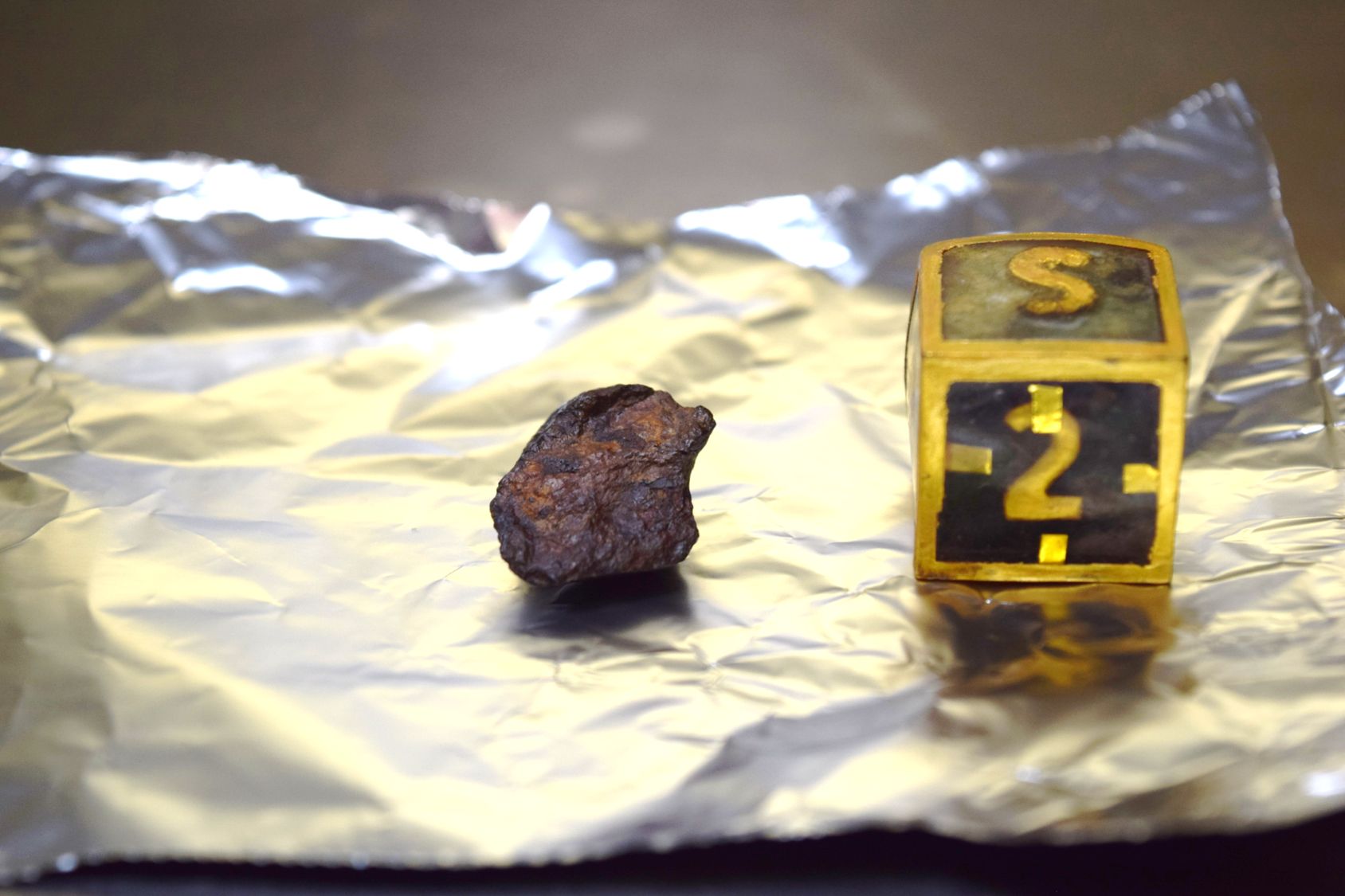
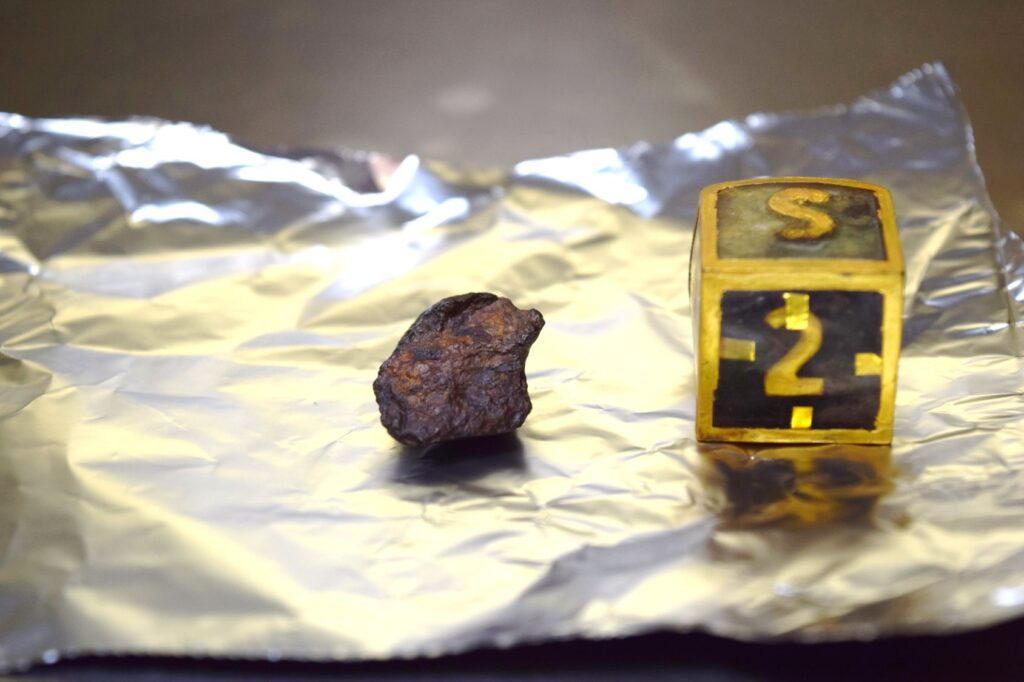
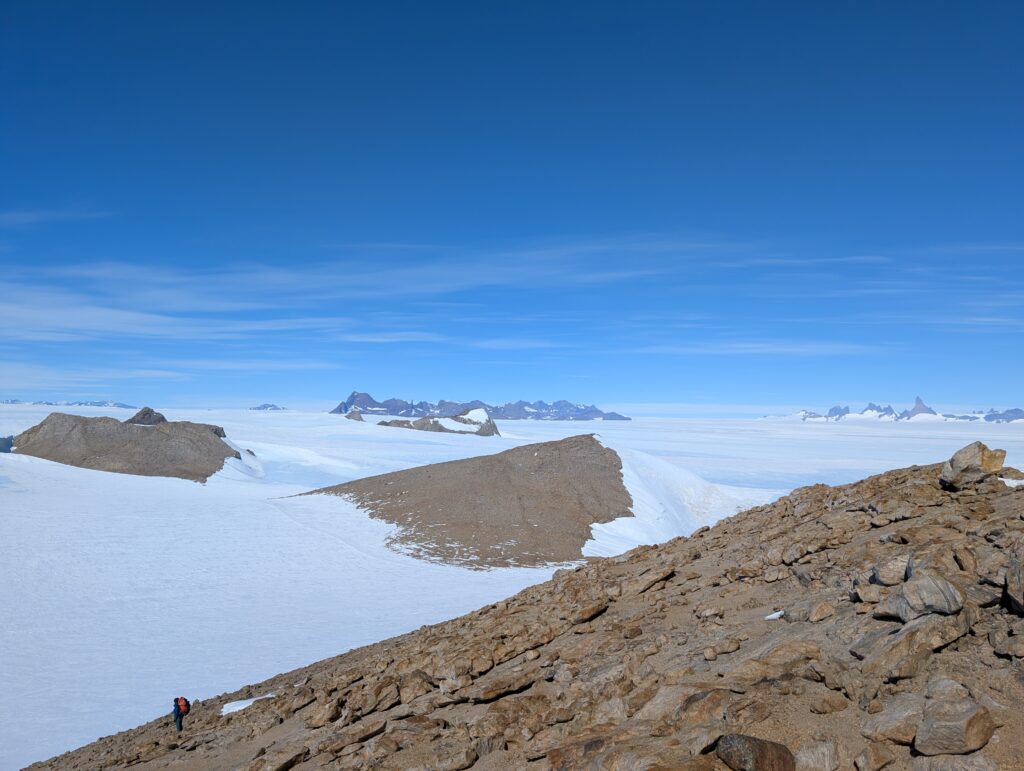
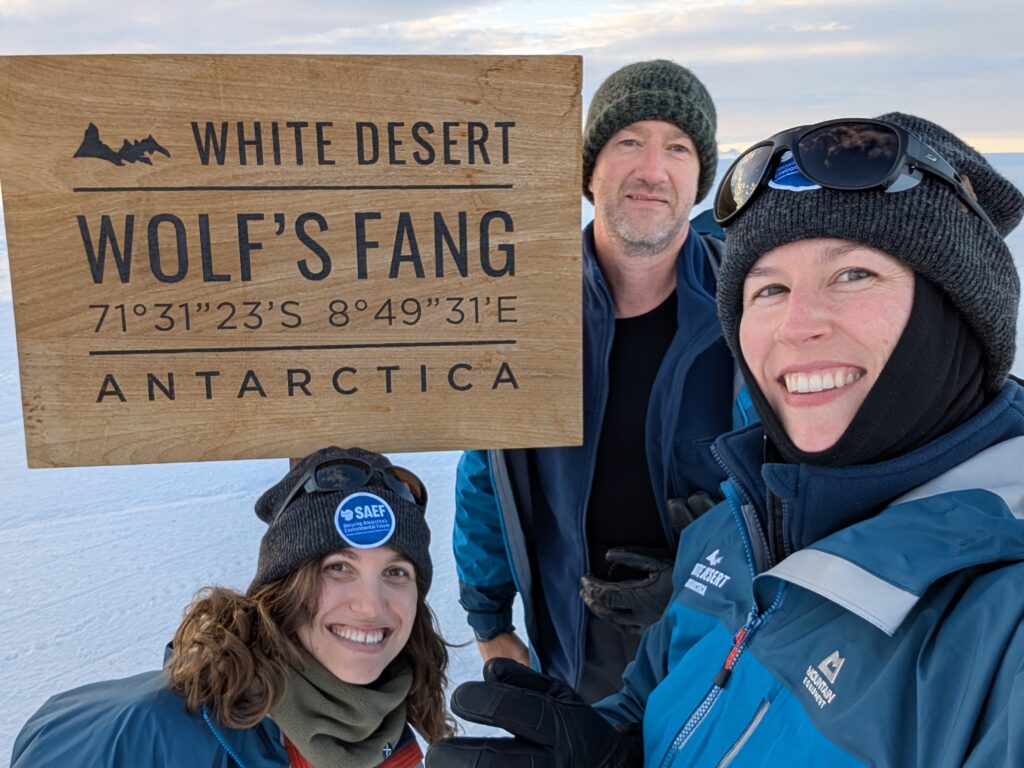
A meteorite found by a SAEF/Monash team that has been named Henriksenskjera 24001. A nunatak landscape in Dronning Maud Land, Antarctica. Dr Rachel Kirby, Professor Andrew Tompkins and Dr Rachael Lappan were supported by SAEF and the White Desert Foundation.
Were there microbes on Mars?
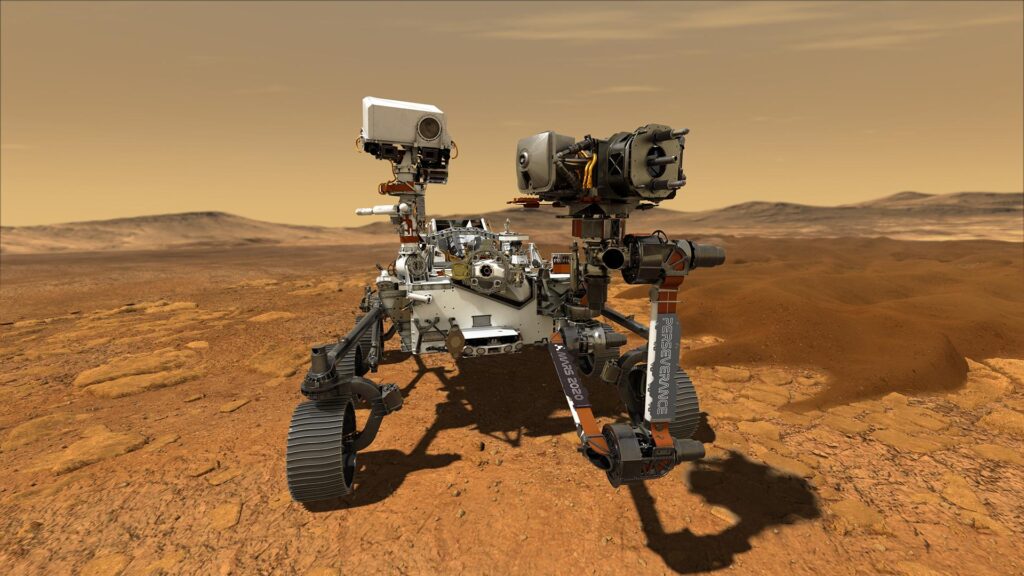
When NASA’s Perseverance rover—a robotic explorer currently operating in Mars’s Jezero Crater—detected complex organic carbon in ancient mudstones last week, it raised hopes for evidence of life.
These carbon compounds can be produced by living organisms but also by non-biological processes, so the finding doesn’t prove past life. Still, it adds to growing evidence that early Mars may have been habitable and rich in the chemical building blocks of life, with a definitive answer likely requiring samples to be returned to Earth for detailed analysis.
These types of findings only make understanding how microbes interact with extra-terrestrial material even more pressing, says Dr Lappan. “In Antarctica, we have microbes that are very resilient and live under extreme conditions, so we are interested if these microbes can make use of extraterrestrial minerals as sources of nutrients or energy. If we have examples of that on Earth already, we can imagine that they might end up in space or microbes might already be living in that way elsewhere in the Solar System,” she says.
It will also tell us a lot more generally about the flexibility of microbial life—all the different compounds that they can use, the ways they can harness energy and sustain life, and their strategies for living in harsh environments, she says.
Note: Collecting or removing meteorites in Antarctica without a permit is illegal, with strict protections in place to preserve the continent’s scientific and environmental integrity.
The work is part of the LifeMet project. Dr Rachael Lappan, Professor Andrew Tomkins and Dr Rachel Kirby thank the White Desert Foundation and SAEF for their logistical and financial support.
For more details on the 2024 expedition
Lappan, R., Kirby, R. S., & Tomkins, A. G. (2026). LifeMet: Report on the 2024–2025 meteorite recovery expedition in Dronning Maud Land, Antarctica for the study of microbe–meteorite interactions. Meteoritics & Planetary Science. Advance online publication. https://doi.org/10.1111/maps.70178


