
UN-backed reports on the world’s ice and the outlook for overshooting 1.5°C
A UN-backed report details how the world’s ice will change as we overshoot 1.5°C, and the possible paths back.
A major UN-backed report looks at the implications for the globe’s ice of a likely overshoot of the Paris Agreement’s 1.5°C target. Some changes to the ice are permanent and will necessitate major global adaptation to numerous changes, including to sea levels, climates, water availability and ocean acidity and productivity, the report concludes. But the authors suggest that if we bring the temperature back down as quickly as possible, we can still reduce, and in some cases partly reverse, ice loss from the world’s glaciers, ice sheets, sea ice and permafrost.
The report, Overshoot and the Cryosphere: Averting Global Meltdown, co-produced by the United Nations Environment Programme (UNEP) and the International Cryosphere Climate Initiative (ICCI), concludes that rapid action to return temperatures to 1.5°C, and ultimately towards 1°C, could still have a profound impact.
Very decisive action, they say, could initiate sea-ice recovery within decades, and some glacier regrowth over decades to centuries, and slow the rate of multi-metre sea level rise to stretch the impacts over centuries or millennia, allowing some communities to adapt or relocate.
However, the report argues that to minimise the risk of ice-sheet impacts exceeding the limits of adaptation, carbon dioxide emissions must reach net zero by 2050 and carbon dioxide removal at scale must begin as soon as possible.
Moving mountains
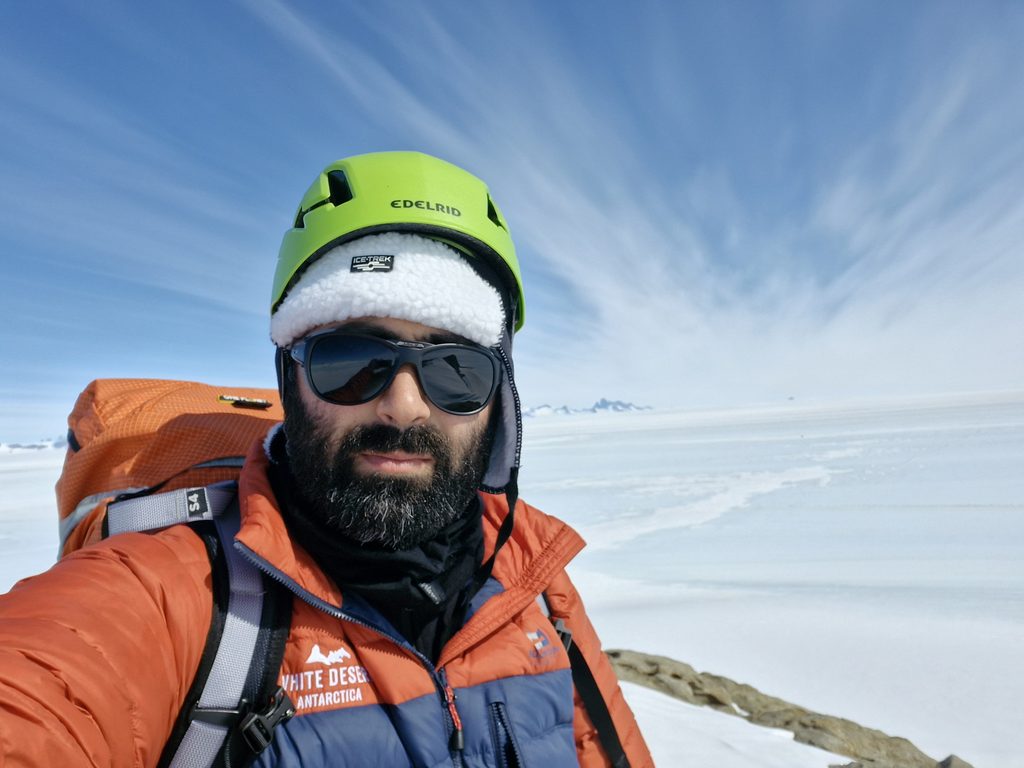
SAEF glaciologist Dr Levan Tielidze (pictured above), a contributing author to the mountain glacier and snowpack section of the report, hails from the steep, highly glaciated country of Georgia. He says the impacts of climate change are already obvious to people living in highland regions around the world.
“Areas that were considered relatively safe decades ago are becoming more hazardous because permafrost is thawing, slopes are becoming less stable, and the risk of glacier-collapse related hazards are increasing,” Tielidze says. “Adaptation and risk mitigation strategies aimed at floods, debris flows and landslide risks will become increasingly important for these communities.”
The most positive news for thee groups from a separate report released in conjunction with the assessment, State of the Cryosphere 2026: The Cost of Overshoot, is that once temperatures decline below 1.5°C—and especially below 1°C—the frequency of heatwaves, lightning strikes and wildfires that trigger abrupt thaw would decrease in the latter half of this century.
Temperatures begin to fall almost as soon as carbon dioxide concentrations in the atmosphere decline, note the authors of the second report, and many glaciers would respond relatively quickly to lowered temperatures, stabilizing a few decades after net zero is reached.
However, they also point out that even limiting warming to roughly 1.5°C will still see half of today’s glaciers become extinct by 2100, impacting the three billion people that depend seasonally on water stored in glaciers and snow.
The path back
In Overshoot and the Cryosphere: Averting Global Meltdown, the authors say that with urgent action we should be able to limit temperatures to 1.7°C above pre-industrial levels for about two decades, and with sustainable carbon dioxide removal and storage, temperatures could decline to 1.2°C above preindustrial levels by 2100.
Nonetheless long-lasting changes in the polar oceans, on scales of decades to multiple centuries are inevitable, and will likely involve changes that include more corrosive waters harmful to shelled life, a slowdown and other changes in ocean currents and significant sea-level rise.
The authors say a period of ‘coping and containment’ is inevitable, and this should involve robust adaptation planning, early-warning systems, ecosystem protection and support for communities facing unavoidable impacts from sea-level rise, glacier loss and permafrost thaw.
“The answer depends on us,” Tielidze says. “If countries, especially major emitters, make a strong effort to reduce greenhouse gas emissions, we have a chance to slow the impacts and partly reverse course.”
“When you miss an exit on the highway, you don’t abandon plans to get to where you really need to be—you take your first chance to turn back. Continuing full speed ahead just makes things worse,” said Pam Pearson, Director of the ICCI, in a statement that accompanied the report’s release.
-
UN-backed reports on the world’s ice and the outlook for overshooting 1.5°C
A UN-backed report details how the world’s ice will change as we overshoot 1.5°C, and the possible paths back.
-
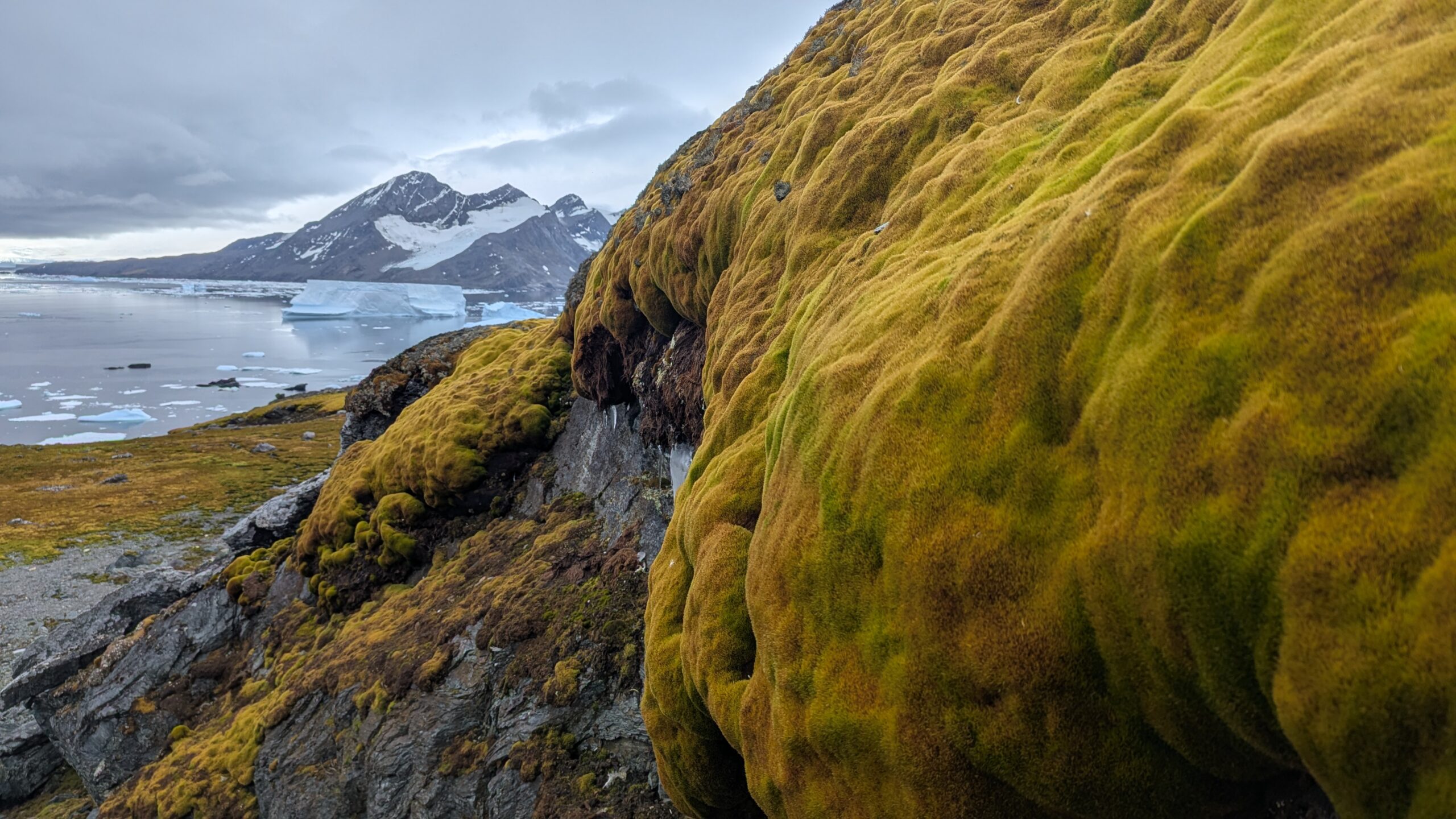
Next steps for protecting Antarctica’s rare and incredible vegetation
Almost 80% of Antarctica’s vegetation isn’t found in a protected area. Newly identified priority sites are the first step in closing conservation gaps.
-
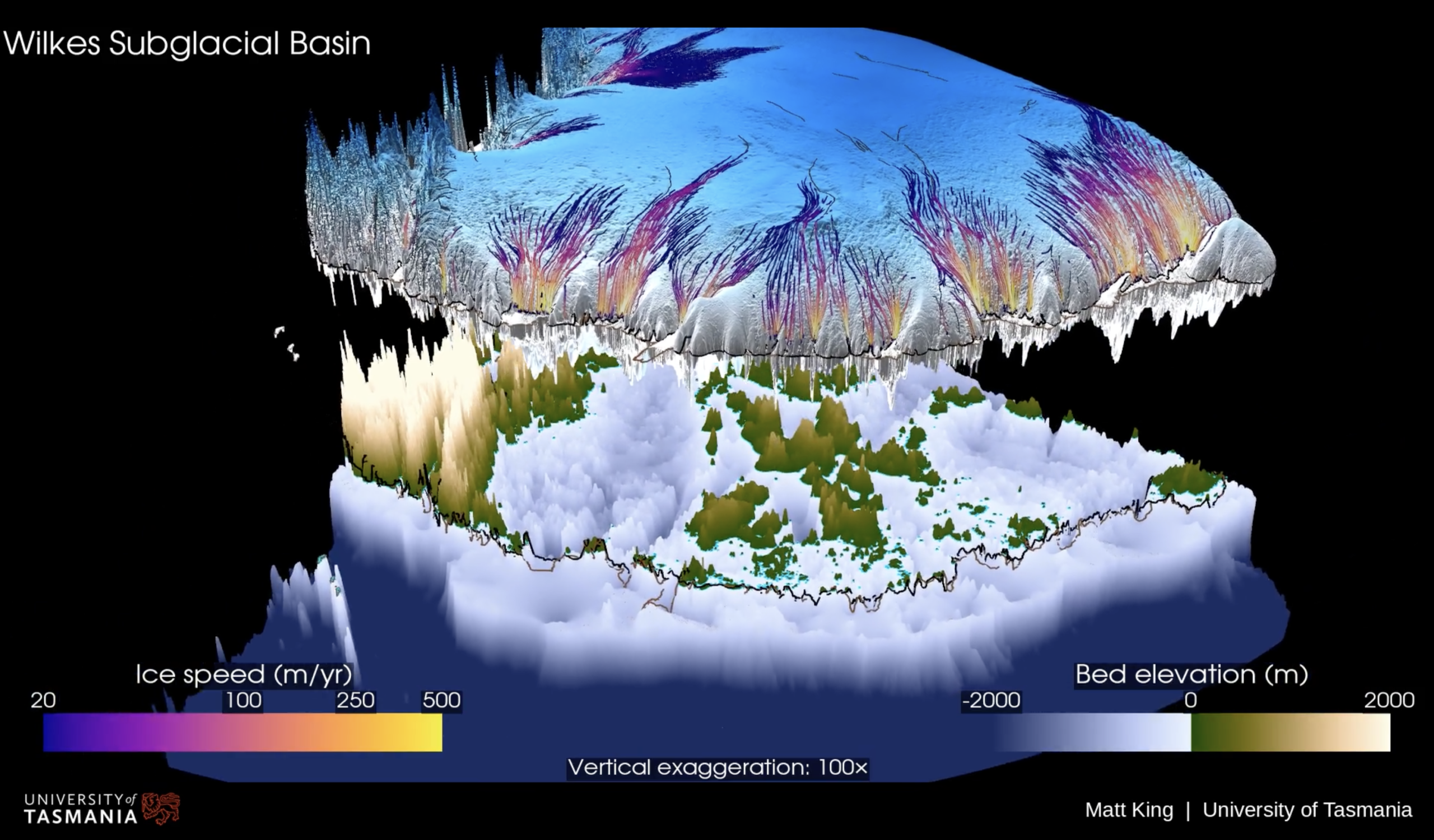
International scientists call for urgent research into Antarctica’s last great unknown
Scientists are calling for a global campaign to study the Wilkes Subglacial Basin, one of the most important regions on Earth for predicting future sea-level rise.
SAEF would like to acknowledge the important contributions of the other Australian authors of the report, Overshoot and the Cryosphere: Averting Global Meltdown: Dr Chen Zhao from the Australian Centre for Excellence in Antarctic Science/Australian Antarctic Program Partnership/University of Tasmania, Dr Ed Doddridge from the Australian Antarctic Program Partnership/University of Tasmania and Professor Matt England from ACEAS/University of New South Wales. And reviewers Dr Will Hobbs from the University of Tasmania and Professor Matt King from the University of Tasmania.


